

社會上每位有良知的大眾,對香港麥當勞發生懷疑殘疾僱員被欺凌的事件均感到震驚、憤怒與失望。而諷刺的是,有良知的公眾人士正是麥當勞香港希望透過聘請殘疾人士來取悅的對象。這項聘用政策原本旨在提升公司的公眾形象,以增加品牌價值;然而,如今有關職場欺凌與不當對待殘疾員工的報道,卻令麥當勞的聲譽受損。而公司往往只著眼於修補形象受損的表面問題,卻不願面對問題的根源並作出解決。
企業為管理層提供足夠培訓?
我們必須了解,殘疾僱員在職場遭受不合適的對待及欺凌,對其精神與身體健康造成嚴重影響。他們藉著就業建立的自信與自尊,但在面對如此羞辱與歧視時,會立刻崩潰——甚至可能無法挽回。(我亦相信,我們當中每個人如果面對這樣的事情時,每一個人都有可能失去了一部分的人性。)
從這個角度來看,香港麥當勞在多個層面上也徹底失敗。這失敗不能單靠解僱幾名缺乏訓練、經驗不足、薪資過低的經理或員工,並歸咎於個別問題或個別責任來解決。
當企業聘請殘疾員工時,理論上是為他們提供了寶貴的工作機會——讓他們能夠透過工作賺取收入,並實現一定程度的經濟獨立。這是幫助他們發展技能、建立信心及提升自我價值,並體會與同事一起工作的過程。無論政府、學者與社工們都認為這過程對殘疾人士極具正面效果。
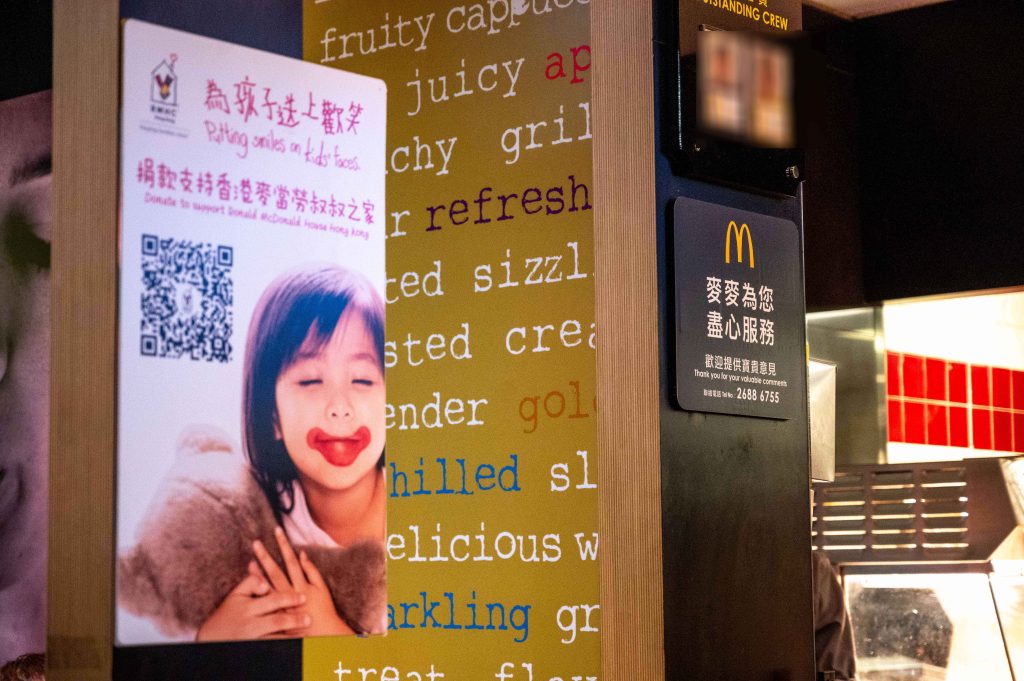
然而,一家聘請殘疾員工的公司不能只關注對企業形象的正面幫助,這不能僅是一種由政府資助的「企業社會責任」(CSR)。公司必須明白自身的責任——確保殘疾員工於職場中能夠真正學習技能、建立自信、提升自我價值,並成為工作團隊的一部分。
公司不能一方面對外宣稱樂於聘用殘疾人士,另一方面卻沒有對殘疾人士作出必要承諾,去確保他們在沒有歧視與騷擾的安全環境下工作。
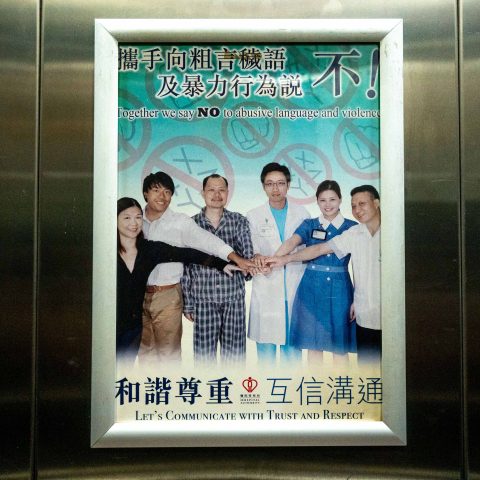
同時,公司有責任向所有的經理、主管與同事提供適當培訓。培訓不應只是簡介政策文件、張貼一張海報,或是歷時5分鐘的匯報,而應該是實質及有效的培訓。例如,當與有智力殘障的員工共事時,經理與主管需要接受具體的溝通技巧、工作分配與評估訓練。這不僅有利於殘疾的員工融入職場,亦讓整個工作團隊更安全及順暢。
安排殘疾人士在「不被看見」的崗 如何建立自信?
同樣地,工作安排與職位分配亦應直接反映聘用殘疾人士的目標。若將唐氏綜合症員工指派只去清潔廁所或搬運垃圾,為求令他們「不被看見」、減少與社會人士及同事的互動,這與原先的目標完全背道而馳。若員工一直被安排在這些「隱蔽」的工作,又如何令他們融入社會、建立自信、培養自尊與學習技能?
像麥當勞推行多元共融的聘用政策的公司,但另一方面卻缺乏落實「共融與尊重」的工作制度及承諾。我們不禁懷疑企業形象與品牌價值的提升,是否局限於在「聘用」的階段,而不是強調在實際的「就業過程」及「職場當中」。

毫無疑問,未有考慮到殘疾員工的獨特需要,向管理層級員工提供適當培訓,確保公司能夠提供安全與穩定的工作環境,在制度上一開始便有根本性的缺失。
事實上,管理層與主管在溝通與工作管理上的技能,本身就是企業社會承諾與社會投資的一部分,它們確保企業對多元共融的承諾是真誠的,而非只是淪為一場公關表演。若企業將重要的社會責任視作為一種廣告或品牌宣傳手段,那不單是虛偽,更是一種危險。
Every decent member of the public is shocked, outraged or disappointed by the abusive treatment of workers with disabilities by McDonald’s Hong Kong.
Ironically it is the same decent members of the public that McDonald’s Hong Kong is trying to impress by hiring workers with disabilities. This hiring policy is intended to boost the public image of the company and ultimately add to its brand value. Instead, reports of abuse and mistreatment of workers with disabilities causes reputational damage for McDonald’s. The company then responds with efforts to fix this reputational damage without fixing the problem.
We must not forget that this abuse and mistreatment has a significant impact on the mental, physical and emotional wellbeing of workers with disabilities. The confidence and self-esteem that paid employment in private industry is meant to encourage is immediately – and maybe irreparably- lost in the face of abuse and mistreatment. (I also believe we all lose a piece of our humanity in the face of this.)
Seen from this perspective, McDonald’s Hong Kong has failed at several levels. It is a failure that cannot be fixed by firing a couple of untrained, inexperienced, underpaid managers and attribute individual blame. Moreover, this multi-level failure occurs while benefiting from government financial support for a program of employment that the Hong Kong public is led to believe helps workers with disabilities.
When a company hires workers with disabilities it is of course providing a great opportunity for them to work, to earn an income and achieve a degree of financial independence. This is about developing skills, building confidence and feeling greater self worth, while spending time working as part of a team. Academics and social workers tell us this very beneficial.
However, a company that hires workers with disabilities cannot only focus on how this boosts the image of the company. It cannot simply be a form of corporate social responsibility (CSR) subsidized by the government. The company must recognize its responsibility to ensure that acquiring skills, building confidence, feeling self worth, working as as part of a team actually happens.
A company cannot tell the public it is hiring workers with disabilities while not making the necessary commitment to ensure this a good experience for these workers – a secure and safe job free from discrimination and harassment.
At the same time, all of the managers, supervisors and co-workers must receive the appropriate training. This training is not a policy, poster or five-minute briefing. It is actual training. When working with workers with Down Syndrome, for example, managers and supervisors require specific training in communication skills, task management and assessment. This benefits everyone – not just workers with Down Syndrome.
Similarly, the assignment of tasks and job roles is directly related to achieving the goals of hiring workers with disabilities. Assigning workers with Down Syndrome to cleaning toilets and late shifts mopping floors to keep them “out of sight” or to reduce interaction with customers and co-workers is precisely the opposite of these goals. How can anyone gain confidence, build self-esteem and a sense of self worth, and acquire skills if they are constantly assigned to these “out of sight”, menial tasks?
This suggests that companies like McDonald’s Hong Kong have diversity hiring policies, but no systems in place to ensure workplace diversity through inclusion and respect. Maybe the boost to corporate image and brand value is only needed in hiring, not employment? Certainly the failure to provide the appropriate training to management and supervisors and thereby ensure a safe and secure environment for workers with disabilities is a fundamental institutional failure.
The skills required of management and supervisors in communication and task management are in fact part of a company’s social commitment and social investment. It ensures that the commitment to diversity is genuine and not a public relations (PR) stunt.
To approach such an important social contribution as just another kind of advertising and brand value is not only hypocritical, but dangerous.